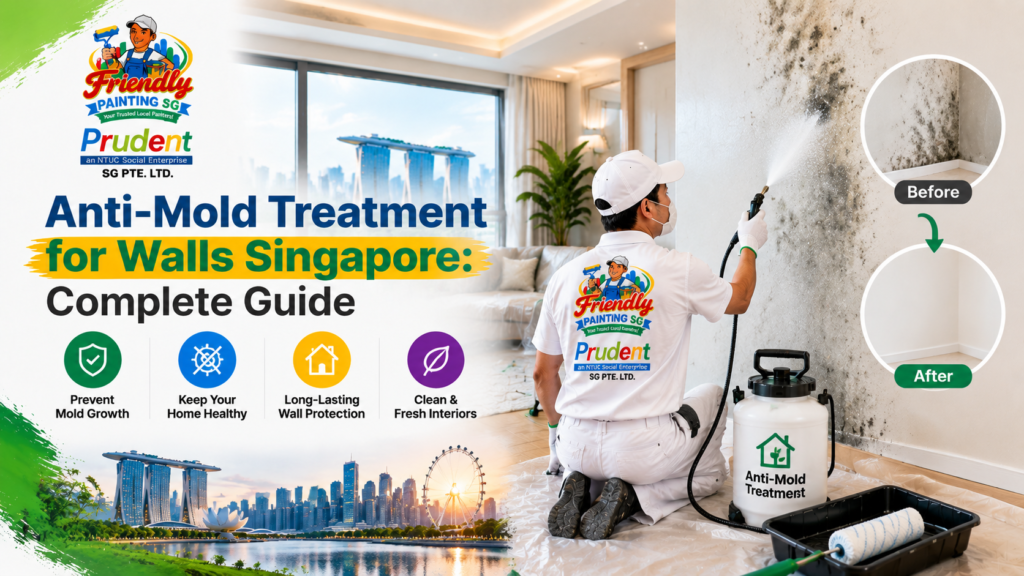
Understanding Anti-Mold Treatment for Walls and Why It Matters
Walls are one of the most important parts of any property, but they are also highly exposed to environmental conditions such as moisture, humidity, and poor ventilation. Over time, these factors can create the perfect environment for mold growth, leading to stains, unpleasant smells, damaged paint, and unhealthy indoor conditions. Anti-mold treatment for walls is a professional solution designed to remove existing mold growth, treat affected surfaces, and reduce the chances of future mold problems. It involves identifying the cause of moisture, cleaning contaminated areas, applying suitable treatments, and protecting walls with appropriate coatings or paint systems.
In Singapore, wall mold is a common concern because of the country’s tropical climate, high humidity levels, and frequent rainfall. Homes, especially HDB flats, condominiums, and older buildings, may experience mold-related issues when moisture becomes trapped inside walls or rooms have insufficient airflow.
A proper anti-mold approach does not only focus on removing visible mold. Instead, it addresses the underlying causes to provide a longer-lasting solution and protect the appearance and condition of the property.
What Causes Mold Growth on Walls in Singapore?
Mold develops when fungal spores find suitable conditions to grow. According to general scientific understanding, mold is a type of fungus that can grow on various surfaces when moisture and organic materials are available.
Understanding why mold appears is the first step toward effective treatment.
High Humidity Levels
Singapore’s warm and humid environment creates favorable conditions for mold growth. When indoor humidity remains high, moisture can accumulate on walls, ceilings, and corners.
Common areas affected by humidity include:
- Bathrooms
- Bedrooms
- Kitchens
- Storage rooms
- Poorly ventilated spaces
Reducing excess moisture is an important part of preventing recurring mold problems.
Water Leakage and Wall Dampness
Hidden water leaks are one of the most common reasons behind wall mold.
Possible sources include:
- Plumbing problems
- Roof leakage
- External wall cracks
- Bathroom waterproofing issues
- Pipe condensation
If the moisture source is not repaired, mold can return even after cleaning.
Poor Ventilation
Limited airflow prevents moisture from escaping. Rooms with closed windows, blocked ventilation, or poor air circulation often experience higher mold risks.
Improving ventilation helps maintain healthier indoor conditions and reduces moisture buildup.
Condensation Problems
Condensation occurs when warm, humid air meets a cooler surface. Over time, repeated condensation can create damp areas where mold begins to grow.
This problem is common around:
- Air-conditioning areas
- Windows
- External walls
- Corners of rooms
Signs Your Walls Need Anti-Mold Treatment
Many homeowners notice mold only after it becomes clearly visible. However, early signs can help prevent larger problems.
Dark Spots or Discoloration
Black, green, or grey patches on walls may indicate mold growth. These marks often appear in corners, behind furniture, or near damp areas.
Musty Odor Inside Rooms
A persistent unpleasant smell is another warning sign. Mold often produces a damp or musty odor even before visible growth becomes extensive.
Peeling Paint and Wall Damage
Mold problems are frequently connected with paint deterioration.
Common signs include:
- Peeling paint
- Bubbling surfaces
- Cracked coatings
- Discolored patches
These issues suggest moisture may exist beneath the painted surface.
Increased Moisture Around Walls
Walls that feel damp or cold compared to surrounding surfaces may indicate moisture problems requiring professional inspection.
How Anti-Mold Treatment for Walls Works
Effective mold treatment involves more than simply wiping away visible stains. A proper process focuses on removing mold and preventing future growth.
Step 1: Wall Inspection and Problem Identification
The first step is identifying why mold developed.
Professionals usually inspect:
- Moisture levels
- Wall condition
- Possible leaks
- Ventilation issues
- Existing paint damage
Finding the root cause helps create a suitable treatment plan.
Step 2: Mold Removal and Surface Cleaning
The affected area must be properly cleaned before applying protective solutions.
This process may include:
- Removing visible mold
- Cleaning contaminated surfaces
- Treating affected areas
- Preparing the wall for repainting
Proper cleaning helps ensure better treatment results.
Step 3: Applying Anti-Mold Solutions
Specialized anti-mold products are used to reduce fungal growth and protect the wall surface.
Depending on the condition, treatment may include:
- Anti-fungal solutions
- Mold-resistant primers
- Protective coatings
- Specialized wall treatments
Step 4: Repainting With Mold-Resistant Paint
After treatment, applying suitable paint helps improve protection.
Modern paint solutions often include mold-resistant properties that help reduce future growth when combined with proper moisture control.
Benefits of Professional Anti-Mold Wall Treatment
Protects Wall Appearance
Mold can make walls look dirty and damaged. Professional treatment restores a cleaner and fresher appearance.
Improves Indoor Comfort
A mold-free environment creates a more comfortable living and working space.
For homes and offices, maintaining good indoor conditions is an important part of property care.
Extends Paint Durability
Mold and moisture can reduce paint lifespan. Treating the problem before repainting helps improve the durability of new finishes.
Prevents Recurring Problems
A professional approach focuses on both visible mold removal and moisture-related causes, reducing the chance of repeated issues.
Suitable Anti-Mold Solutions for Different Singapore Properties
HDB Flat Mold Treatment
HDB homes may experience mold problems because of:
- Limited airflow
- Bathroom moisture
- Furniture blocking walls
- Older paint systems
Suitable solutions include:
- Wall inspection
- Mold cleaning
- Surface treatment
- Repainting with suitable coatings
Condo Wall Mold Treatment
Condominiums may face mold issues in bathrooms, bedrooms, and areas near external walls.
Professional treatment helps maintain the interior appearance and protect property value.
Commercial Property Mold Treatment
Offices, restaurants, and retail spaces need quick solutions because wall damage can affect customer impressions and business operations.
Commercial treatment focuses on:
- Efficient repair
- Professional appearance
- Long-term prevention
DIY Mold Removal vs Professional Anti-Mold Treatment
Some minor mold issues may appear manageable with household cleaning methods. However, surface cleaning alone may not solve deeper moisture problems.
Limitations of DIY Methods
DIY solutions may fail when:
- Mold exists inside walls
- Moisture sources remain active
- Paint damage is extensive
- The affected area is large
Without addressing the cause, mold can return.
Advantages of Professional Treatment
Professional services provide:
- Better inspection
- Proper treatment methods
- Suitable materials
- Long-term prevention strategies
For significant mold problems, expert assistance is usually more effective.
How to Prevent Mold Growth on Walls
Prevention is an important part of maintaining healthy walls.
Improve Indoor Ventilation
Better airflow helps reduce moisture accumulation.
Useful practices include:
- Opening windows when possible
- Using exhaust fans
- Maintaining air circulation
Control Indoor Humidity
Managing moisture levels helps reduce mold risks.
Options include:
- Using dehumidifiers
- Avoiding excessive indoor moisture
- Fixing leaks quickly
Humidity control is closely related to maintaining indoor environmental quality, which is an important part of indoor air quality management.
Maintain Air-Conditioning Systems
Air-conditioning systems can influence indoor moisture levels. Regular maintenance helps prevent excessive humidity and condensation problems.
Keep Walls Clean and Dry
Regular inspection helps identify early problems before they become serious.
Choosing the Right Wall Treatment and Painting Service in Singapore
Selecting the right service provider is important for achieving long-lasting results.
Consider:
Experience With Mold Problems
A company familiar with Singapore’s climate conditions can better understand common wall issues.
Proper Treatment Process
Look for services that focus on:
- Inspection
- Mold removal
- Surface preparation
- Protective solutions
- Quality finishing
Quality Materials
The effectiveness of treatment depends on using suitable products, including mold-resistant coatings and appropriate paints.
Future Trends in Mold Prevention and Wall Protection
Property maintenance is becoming more focused on preventive solutions rather than temporary repairs.
Growing trends include:
- Mold-resistant paint technology
- Sustainable building materials
- Better ventilation systems
- Smart moisture monitoring
These solutions help property owners maintain healthier and more durable interiors.
How Painting Service SG Helps With Anti-Mold Wall Solutions
Wall mold requires more than a quick surface cleanup. A complete solution involves understanding the cause, treating the affected area, and restoring the wall properly.
PaintingServicesG focuses on helping Singapore property owners improve wall conditions through professional painting and maintenance solutions.
A complete approach includes:
- Identifying wall problems
- Preparing damaged surfaces
- Applying suitable treatments
- Improving final appearance
With the right process, homeowners and businesses can protect their properties from recurring mold issues.
Final Thoughts on Anti-Mold Treatment for Walls
Mold growth on walls is not only an appearance issue; it can also indicate underlying moisture problems that require proper attention.
Anti-mold treatment for walls provides a practical way to remove mold, protect surfaces, and improve the condition of homes and commercial spaces in Singapore.
By identifying moisture causes, applying suitable treatments, and maintaining proper ventilation, property owners can reduce mold risks and enjoy cleaner, healthier interiors.
Frequently Asked Questions (FAQ)
1. What is anti-mold treatment for walls?
Anti-mold treatment for walls is a process that removes mold growth, treats affected surfaces, and applies protective solutions to reduce future mold problems.
2. Why do walls develop mold in Singapore?
Walls commonly develop mold in Singapore because of high humidity, moisture buildup, poor ventilation, leaks, and condensation.
3. Can mold on walls be removed permanently?
Permanent removal depends on fixing the moisture source. Cleaning mold without solving the underlying issue may result in regrowth.
4. Is anti-mold paint effective?
Anti-mold paint can help reduce mold growth when combined with proper surface preparation and moisture control.
5. Should I repaint after mold treatment?
In many cases, repainting after treatment helps restore appearance and provides additional protection.
6. Can HDB walls get mold problems?
Yes. HDB flats can experience mold issues due to humidity, ventilation problems, and moisture exposure.
7. Can I remove wall mold myself?
Small surface areas may be manageable, but larger or recurring mold problems usually require professional treatment.
8. How can I prevent mold from returning?
Maintaining ventilation, controlling humidity, repairing leaks, and using suitable wall coatings can help prevent recurrence.
9. How long does anti-mold treatment last?
The durability depends on moisture conditions, treatment quality, wall condition, and maintenance practices.
10. When should I call a professional for mold treatment?
Professional help is recommended when mold covers large areas, keeps returning, or is connected to hidden moisture problems.